how to roast coffee beans
This short guide explains what coffee roasting means in simple terms. It is the act of heating green beans until they turn brown and release aroma and flavor. Home coffee roasting gives control over origin and roast level and rewards curiosity.
Expect smoke and chaff in a US kitchen. Ventilation, a safe surface, and clear checkpoints make the task manageable. This guide highlights color shifts, aroma cues, and the audible cracks that mark key stages.
The payoff is fresher taste and the ability to match roast levels for drip or espresso. You will learn a simple roasting process flow: prep → roast stages → cooling → resting → storage → grinding and brewing. Water and brewing come after roasting, and roast choices shape extraction and cup flavor.
Why roast coffee at home in the United States
Bringing green coffee into your kitchen puts flavor decisions back in your hands and rewards small-batch practice. Home roasting offers unparalleled control over origin and roast level, and it produces the freshest cup coffee many people prefer.
Freshness and flavor control from green coffee beans to cup
Freshness means brighter aroma, clearer tasting notes, and far less of the stale, flat character found in many supermarket roasted coffee bags. Buying and preparing raw green coffee lets you time the process so the first sip shows peak aroma and clarity.
Choosing level for your taste and espresso goals
Light degrees highlight acidity and fruit, medium brings caramel and chocolate balance, and dark leans smoky and bold. For espresso, roast level affects body and sweetness; medium-dark often yields a forgiving shot, while lighter styles emphasize acidity and complexity. Taste is personal, so use sensory cues—color, smell, and the cracks—to repeat results.
| Roast Level | Cup Notes | Espresso Impact |
|---|---|---|
| Light | Bright acidity, fruit, floral clarity | High acidity, delicate body |
| Medium | Balanced sweetness, caramel, chocolate | Round body, versatile extraction |
| Dark | Smoky, low acidity, intense roast character | Heavier body, bolder crema, less acidity |
- Roast small batches more often in apartments for fresher cup results.
- Keep simple notes: origin, batch size, time to first crack, finish time.
- Use sensory cues rather than strict labels—level varies across roasters.
What to do before roasting green coffee beans
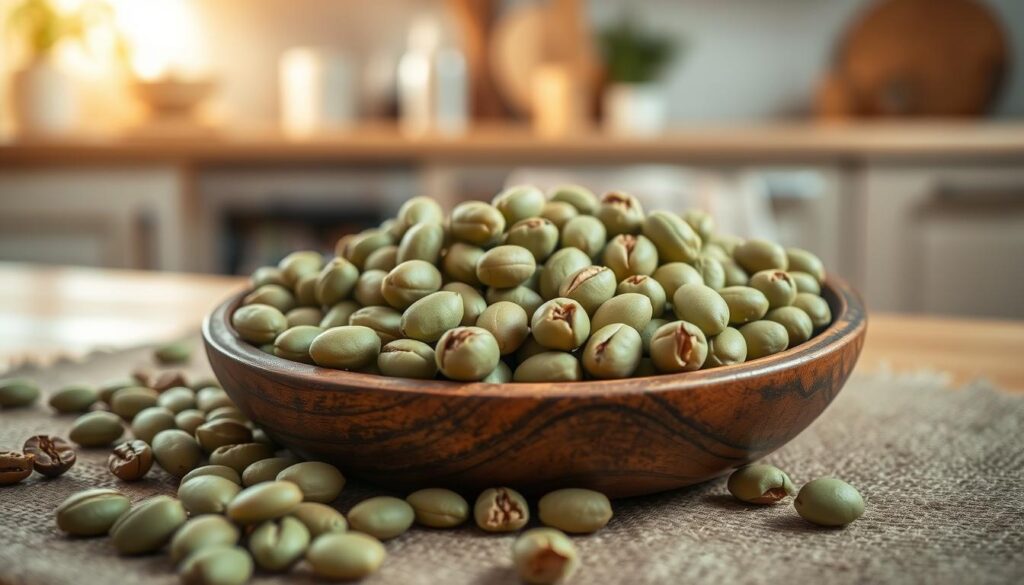
Good results start long before heat reaches the pan or machine. A short prep routine makes each run safer and more predictable.
Pick quality green coffee and note bean traits
Choose clean, even-size green coffee with few defects. Look for uniform color and no broken pieces; quality input matters.
Higher-density, high-grown bean varieties tolerate firmer temperature ramps. Lower-density naturals heat faster and can scorch, so they need gentler curves.
Measure batch size for repeatable control
Start small — about one cup of green coffee for home tests. Small batches give better control and make it easier to repeat results.
Every roaster or machine has an optimal load. Overfilling slows response; too little can make the roast race ahead.
Clean, dry, and set up a safe place
Remove stones, husks, and other debris before loading. Keep beans dry so chaff sheds predictably and air flow works well.
Stage tools: a metal colander for chaff, a heatproof tray for cooling, a timer, and a thermometer if available. Plan for a short active window — many home batches change rapidly once cracks begin, often within 8–12 minutes.
| Bean Trait | Heat Needs | Scorching Risk |
|---|---|---|
| High density (mountain-grown) | Higher initial temperature, steady ramp | Low |
| Medium density (washed) | Moderate temperature, balanced ramp | Moderate |
| Low density (natural) | Lower temperature, gentler ramp | High |
| Mixed sizes | Split batches or sort for evenness | Variable |
Coffee roasting basics: what happens inside the beans
Inside each bean, heat flips a predictable chain of chemical and physical shifts that shape flavor.
Drying phase and the move from green to yellowing
At first, moisture leaves the seed and color shifts from green to pale yellow. The smell is grassy and faint.
Steady heat here avoids uneven roasting later. If heat is too high, the outside will scorch before the interior catches up.
Maillard reaction for sweetness, aroma, and browning
Next, sugars and amino acids react and the surface browns. This Maillard step builds caramel and chocolate notes.
It sets the base for balance; watching color and smell helps you read this phase without relying only on numbers.
First crack as the light roast turning point around 350°F
First crack is an audible pop, like popcorn, often near 350°F. It marks the move into light roast territory.
Development time after this point is your main control: short keeps brightness, longer builds body.
Second crack as dark roast territory around 400°F
The second crack is higher pitched and faster, around 400°F. It signals dark roast and more smoky notes.
Pushing beyond it increases roast character but risks burning flavor quickly.
Development time and deciding when to stop the roast
Measure development time from first crack start. That window—often 10–25% of total time—shapes final balance.
Watch for defects: scorching from too much early heat and baked, flat flavors from too slow a process.
| Stage | Temp range | Key cues |
|---|---|---|
| Drying | Ambient → ~300°F | Green→yellow color, grassy smell, no cracks |
| Maillard | ~300–350°F | Browning color, richer aroma, sugar reactions |
| Crack stages | ~350°F (first), ~400°F (second) | First crack pop, development time, second crack snap |
How to roast coffee beans at home with common methods
Different kitchen tools give distinct heat, airflow, and timing — pick one that fits your routine.
Pan roasting in a cast-iron skillet
Preheat a cast-iron pan until hot. Add a single thin layer and stir constantly for even color.
Target roughly 200°C and expect about 7 minutes for a small batch. Watch scent and the first audible crack.
Oven roasting on a tray
Preheat the oven high, spread beans in one layer on a tray, and stir a few times during the run.
Use about 250°C and plan near 12 minutes. Ventilate the place well for smoke and chaff.
Air fryer and popcorn options
Air fryers work like small convection ovens. Preheat near 400°F, avoid overfilling, and shake often.
A hot-air popcorn popper gives quick circulation. Roast small amounts so pieces tumble freely and color shifts fast.
Dedicated roaster or home machine
A purpose-built roaster or small coffee roaster machine offers the most repeatable profiles.
Follow manufacturer settings, still use your eyes and ears, and cool at the planned finish time.
- Choose skillet for hands-on control, oven for larger amount, air fryer for even convection, popcorn popper for quick runs, and a roaster for repeatability.
- Always roast in a well-ventilated place, expect chaff, keep heatproof tools ready, and never leave an active batch unattended.
| Method | Typical temp | Typical minutes |
|---|---|---|
| Pan | ~200°C | ~7 |
| Oven | ~250°C | ~12 |
| Popcorn popper | Hot air | Fast (few minutes) |
Heat, airflow, and temperature control for better roasted coffee
Preheating your equipment sets the stage for even browning and clearer cup notes.
Why preheat matters and the first-batch effect
Start with a stable temperature so the metal mass gives an even energy push. If the surface is too cool, the batch runs slow and tastes underdeveloped.
The first run often behaves differently because metal and motors need heat-soak. Repeatability improves after a proper preheat cycle.
Managing power: avoid scorching and baked faults
Apply steady heat through drying and Maillard, then lower power near the end so the exterior doesn’t finish before the interior.
Scorching is a burnt shell with green, grassy interior notes. Baked faults taste flat and dull, like stale bread. Both come from poor temperature control.
Airflow and smoke control for clearer sound and taste
Keep air moderate early; it preserves heat. Increase flow near and after first crack to clear smoke and keep flavors clean.
Good airflow also helps you hear the crack and second crack clearly, especially with louder fans or bigger batches.
Movement methods for even roasting
Stir constantly in a pan, shake an air-basket, or use drum rotation. Any movement evens contact and reduces tipping or hot spots.
Track minutes for key milestones—yellowing, first crack, and finish time. Recording these numbers is the fastest path to repeatable results.
| Control | Early setting | Later change |
|---|---|---|
| Temperature | Moderate high preheat | Reduce power after Maillard |
| Airflow | Moderate (preserve heat) | Increase at and after first crack |
| Movement | Constant stirring/shaking | Maintain steady motion for even finish |
| Timing | Watch minutes to yellow | Record minutes to first crack and finish |
For the science behind these steps and deeper control tips, read this brief guide on the science of roasting.
How to hit light roast, medium roast, and dark roast on purpose
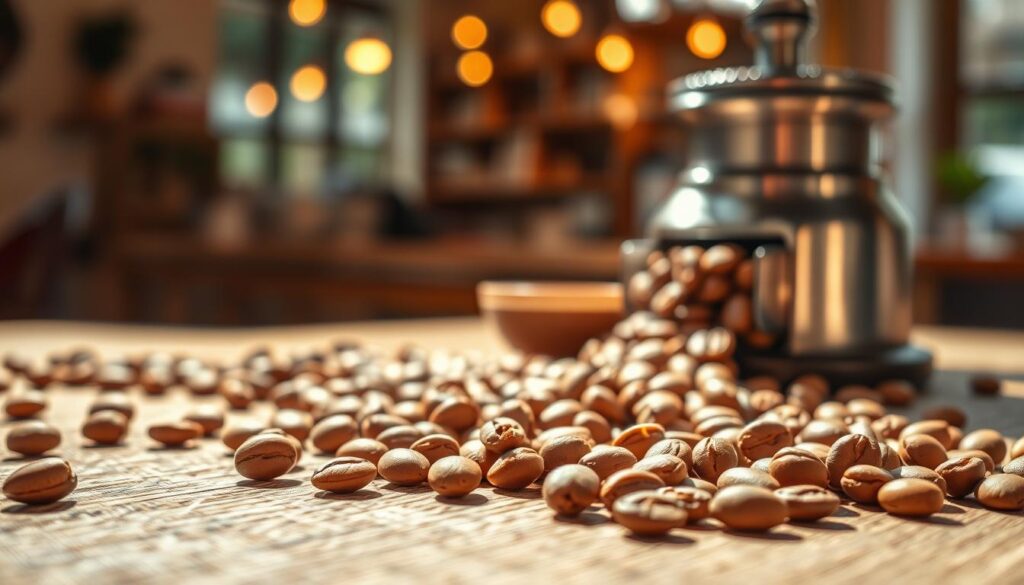
Use crack cues and short timing windows as your control points for consistent results. Listen for the first crack and note minutes from that moment. That single cue marks the jump from bright to developed taste.
Bright, fruit-forward finish
Stop shortly after first crack for a light roast profile. Expect bright acidity and clear fruit notes. Keep development brief so origin character stays prominent.
Balanced, caramel and chocolate
Extend a bit past first crack for a medium roast. Extra time brings caramelization and chocolate notes while preserving balance. Track extra minutes after the crack for repeatability.
Sweet, reduced acidity
Longer development yields medium-dark results. Acidity softens and sweetness and nutty notes deepen. Manage smoke near the end so flavors stay clean, not ashy.
Intense and smoky
Enter second crack for dark levels. Expect low acidity, heavier body, and smoky tones. Stop early in the second crack window to avoid excessive bitterness and oily surfaces.
| Level | Key Cue | Typical minutes | Taste |
|---|---|---|---|
| Light | First crack start/end | 8–9 minutes | Bright, fruity |
| Medium | Short development after first crack | 9–11 minutes | Caramel, chocolate |
| Medium-dark | Extended development pre-second crack | 11–12 minutes | Sweet, nutty |
| Dark | Second crack entry | 12–15 minutes | Smoky, intense |
Cooling, resting, and storing beans for the best cup
Finish the roast well: rapid cooling and proper rest shape the final cup.
Rapid cooling to stop the roast
At the end of the cycle the batch keeps heating from retained temperature. Cool quickly to lock in your intended level and avoid extra bitterness.
Dump the batch into a metal colander and stir, or toss between two colanders outdoors for faster airflow and chaff removal.
Remove chaff and let the roast rest
Use a sieve or colander to separate papery chaff so the roasted product tastes cleaner and the container stays tidy.
Rest the roast 24–48 hours. If the cup tastes sharp right after finishing, time and rest often smooth the profile.
Store smart and grind before brewing
- Use an airtight container kept in a cool, dark spot away from ovens or direct light.
- Avoid moisture, temperature swings, open bowls, and steam exposure.
- Keep small amounts for rapid use; grind only when you are ready to brew so aroma and taste stay fresher.
Your next roast: simple tweaks that improve every batch
Tweak one variable at a time and watch each cup get clearer and more consistent. Keep the same beans, batch size, and method, then alter only heat or airflow so you learn cause and effect.
Keep a short roast log: origin, batch size, start temperature, minutes to yellowing, minutes to first crack, finish time, and your stop point. Use that record when you taste.
If the cup tastes baked, raise early heat or avoid stalling. If it tastes scorched, lower early heat or increase movement. For cleaner flavor, boost airflow around first crack so smoke clears and the sound is easy to hear.
Method tips: with a popcorn popper cut batch size; in a pan stir faster; on a machine tweak power steps before first crack. Roast again soon, cup with plain water on the side, and pick one change for the next run.