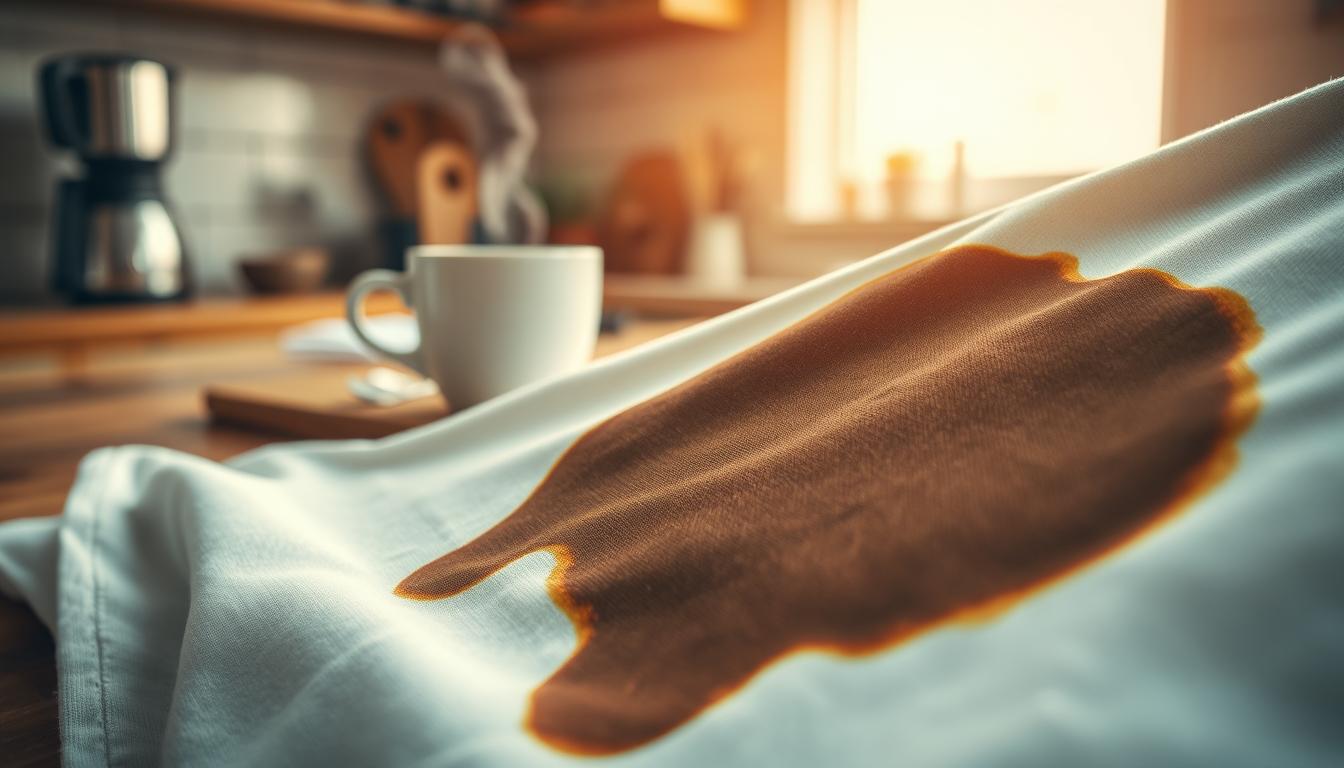
does coffee stain clothes
Spills are common and often feel permanent, especially on light garments. In most cases fresh marks lift if you act fast because pigments have not fully set into fibers.
This guide gives clear steps for immediate spill care, fabric-specific methods, safe home remedies, and tips for older spots. You will learn how cotton, synthetics, silk, and wool respond and which actions to avoid.
Treating a fresh mess right away makes removal far easier. Heat or vigorous rubbing can push pigments deeper and set permanent discoloration, so never use a dryer until the mark is gone.
If you searched for “does coffee stain clothes,” you’re in the right place. Read on for fast, safe ways to lift coffee stains without harming your clothing.
Why coffee stains happen and why they can set fast</h2>
Brown marks form fast because certain compounds in beverages latch onto fibers like dye. Natural tannins in brewed drinks bind quickly to textile threads, so the darker mark you see is the tannins attaching to the fabric.
Added ingredients matter. Milky or sweetened drinks carry fats, proteins, and sugars that make the spot tacky. That tackiness traps the tannins and makes removal tougher than with plain black liquid.
Heat speeds the problem. Hot water or a high dryer cycle makes pigments set deeper into fibers. That is why cold-water rinses work best first: they slow bonding and help flush pigments away.
- Fresh: rinse from the back with cold water right away.
- Dried: pre-soak and use an enzyme or gentle detergent before washing.
- Dried in dryer: likely set; consider oxygen bleach if the fabric allows or pro cleaning.
| Spill Type | Why it sets | Best immediate action | Why it works |
|---|---|---|---|
| Black drink | Tannins bind to fibers | Cold rinse, blot, pre-treat | Flushes pigments before bonding |
| Milky/sweet | Fats and sugars add stickiness | Blot, cold rinse, detergent | Removes grease and dissolves sugars |
| Heated/dried | Heat drives pigments into threads | Rehydrate, enzyme soak, repeat | Loosens bonded tannins for lift |
In short, the goal is to dissolve or loosen tannins so rinsing and washing can remove coffee stains. Acting fast reduces wear from repeat washes and gives the best chance for a full lift.
What to do immediately after a spill on clothes</h2>
The moments after a spill matter most; small steps can save your garment.
Follow this quick checklist to stop a mark from spreading and to make removal easier.
- Blot gently with a clean cloth or paper towel. Do not rub — rubbing pushes the mark deeper.
- Turn the item inside-out and flush the spot with cold water from the back for a few minutes.
- Keep rinsing until the runoff looks lighter, then apply a pre-treat.
Blot with a clean cloth and don’t rub the stain
Use a clean cloth to lift liquid. Press and lift; repeat with fresh fabric until no more pigment transfers.
Rinse from the back with cold water for a few minutes
Hold the fabric under cold water and let it run through the fibers for several minutes. This pushes the mark out instead of through the weave.
Pre-treat with liquid laundry detergent or dish soap and let sit minutes
Apply a small amount of liquid laundry detergent or dish soap to the area and gently work it in with your fingers. Let sit minutes (about 5–10) before washing.
If you’re away from home, keep blotting, use a restroom sink with cold water, and avoid letting the spot dry. After pre-treating, choose the right removal method for the fabric type.
does coffee stain clothes permanently?</h2>
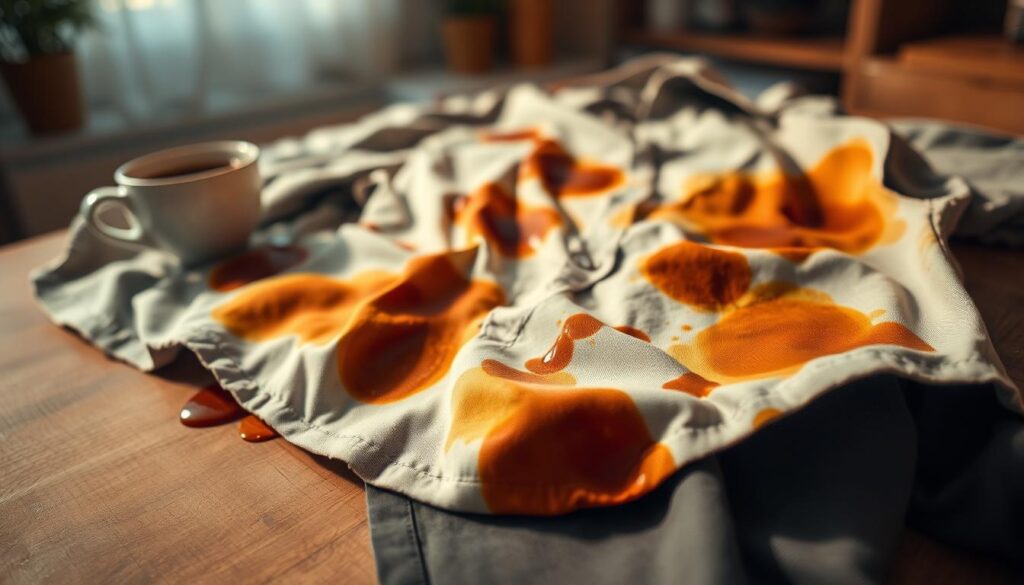
Quick steps at the sink greatly raise the odds of full removal for most wardrobe mishaps.
Short answer: coffee stains clothes are usually removable when treated fast and kept away from heat. “Permanent” in laundry terms means the mark has been heat-set or chemically bonded to fibers. That makes removal tougher, not impossible.
When marks are usually removable
If you rinse with cold water and pre-treat within minutes, most garments respond well. Natural fabrics and many synthetics will lift after one or two treatments.
What makes stains clothes harder to lift
- Waiting too long before treating.
- Using warm water too early, which can help set pigments.
- Rubbing aggressively and drying the item before checking.
- High heat from a dryer or iron that seals the spot.
Why you should never dry the garment until the mark is gone
Drying locks pigments into threads and can turn a treatable mark into a set-in problem. After washing, inspect the garment in good light.
If any trace remains, repeat pre-treatment or use an enzyme-based stain remover before air drying.
| Factor | Impact | Recommended action |
|---|---|---|
| Time | Longer wait = harder lift | Rinse and pre-treat immediately |
| Heat | Sets pigments into fiber | Use cold rinse; avoid warm water until pre-treated |
| Fabric type | Porous natural absorbs faster; synthetics may trap | Choose methods by care label; use enzyme product for set-in marks |
Cold water vs. warm water for a coffee stain</h2>
Temperature matters: the right water can make or break a quick cleanup. Start with cold water for fresh spills because it slows bonding and helps flush pigments out of fibers.
Why cold water helps remove coffee before it bonds
Cold water keeps pigments from “cooking” into threads. Rinsing from the back with cold water pushes the mark out instead of deeper in.
When warm water can help after pre-treatment and soaking
After you apply detergent or dish soap and let it sit, warm water can speed loosening. A warm soak of about 15–30 minutes often helps when the care label allows it.
- Cold water first for fresh spills to prevent setting.
- Use warm water only after pre-treating and if the fabric label permits.
- Be cautious with delicates and bright dyes; spot test before a warm soak.
Simple rule: start cold, switch to warm later if needed. Using the right water at the right time is a core method for preventing repeat marks and for successful removing coffee. Next, we cover fabric-specific steps so you can pick the safest approach for each garment.
How to remove coffee stains from cotton, linen, and everyday clothing</h2>
Durable fabrics like cotton and linen tolerate a stronger home approach that lifts most fresh marks. Begin with a gentle pre-treat, then move to a short soak to loosen pigments.
Dish soap + white vinegar solution method for sturdy fabrics
Mix a warm liter of water with 1 teaspoon dish soap and 2 tablespoons white vinegar. Submerge the affected area and let it sit for about 15 minutes.
Soak, rinse, then wash with detergent based on the care label
After soaking, rinse thoroughly under cold water. Launder per the label using your regular detergent and the recommended cycle and temperature.
When oxygen bleach may help on white cotton (label-dependent)
If the care tag allows, use an oxygen bleach soak for white cotton to brighten and remove lingering discoloration. Never mix bleach with vinegar or acidic solutions.
- Why it works: dish soap cuts milk or oily residue; white vinegar’s acid helps lift brown pigments.
- Safety: avoid harsh treatments on elastic or special finishes unless label-approved.
- Success check: inspect before drying; repeat the solution method if any shadow remains.
| Step | Action | Why |
|---|---|---|
| Pre-treat | Apply detergent locally | Loosens surface pigments |
| Soak | Warm water + dish soap + white vinegar, 15 min | Breaks tannins and fats |
| Wash | Launder per label | Removes loosened residue |
Removing coffee stains from synthetic fabrics like polyester and nylon</h2>

Polyester and nylon behave differently from cotton. They tend to hold residue on the surface rather than soaking it deep. That makes a short, warm soak effective without harsh scrubbing.
Warm water + dish soap + vinegar soak for about 15 minutes
Fill a basin with warm water and add a small squirt of dish soap and about a tablespoon of vinegar per liter. Submerge the affected area and let it sit roughly 15 minutes.
Gently agitate the solution or work the area with your fingertips. Do not scrub hard — that can damage fibers or spread the mark.
Cold-water wash and stain-check before drying
After the soak, rinse thoroughly and run a cold-water wash cycle. Cold water helps prevent any remaining pigment from setting.
Inspect the fabric in bright light before using heat. If a shadow remains, re-treat or apply a targeted remover and repeat the cold wash. Avoid dryers until you see a full lift.
| Step | Action | Why |
|---|---|---|
| Soak | Warm water + dish + vinegar, ~15 minutes | Loosens surface-bound pigment and oils |
| Gentle work | Fingertip agitation | Dislodges residue without harming fibers |
| Wash | Cold-water cycle; stain-check | Prevents heat from setting any remaining mark |
How to treat wool, silk, and other delicate fabrics safely</h2>
Treat fragile garments with cool water and light pressure to protect their natural sheen.
Use cool water and a mild, pH‑neutral detergent
Start with a small bowl of cool water and add a tiny amount of a pH‑neutral soap designed for delicates. Work the soap into the water, not directly on the fabric, to avoid overloading fibers.
Gently press the affected area with your fingers. Rinse with cool water and repeat only if needed. This protects the fabric and keeps dyes stable.
Blot gently to protect fibers and avoid harsh chemicals
Always blot from the outside of the mark toward the center. Use a clean towel to lift liquid; do not rub or scrub the weave.
Avoid chlorine bleach, strong acids, and heavy scrubbing. Harsh chemicals can dull sheen, weaken fibers, or change colors even if the mark fades.
When professional dry cleaning is the safest option
If the care tag says dry clean only, the item is vintage, or a mark remains after gentle treatment, stop and seek a pro. A trained cleaner has the right product and methods for tricky garments.
Handle the garment on a flat, clean towel with minimal moisture. Never wring or twist—pat and air dry instead.
| Fabric | Home Method | Why it’s safe |
|---|---|---|
| Silk | Cool water + pH‑neutral soap, blot only | Protects sheen and dye stability |
| Wool | Cool water soak, gentle press, air dry | Prevents felting and shrinkage |
| Rayon/Viscose | Spot treat with minimal moisture, pro if unsure | Low wet strength; avoids distortion |
Careful, patient steps usually beat force. Protect the fabric first and use professional help for persistent coffee stains or delicate garments that the label restricts.
Home remedies to remove coffee stains with household products</h2>
Quick, budget-friendly home methods often lift spots when applied the right way. These household options are handy, but results depend on fabric and how long the mark has set.
White vinegar + dish soap solution
Mix 1 tablespoon vinegar and 1/2 teaspoon dish soap per quart of warm water. Soak the area for about 15 minutes, gently agitate, then rinse well. Repeat if a shadow remains before washing.
Baking soda paste method (use with caution)
Mix baking soda with a little water to form a paste. Spread it over the mark, let sit 15–20 minutes, then brush off and rinse. This baking soda paste can lift pigments but may be abrasive on delicate fabrics.
Lemon and salt for light fabrics
Apply fresh lemon juice and sprinkle salt on whites or light-colored items. Lay in sunlight for a short time to boost brightening, then rinse thoroughly. Avoid this on colored or delicate materials.
Hydrogen peroxide + baking soda paste for stubborn spots
Make a paste of hydrogen peroxide and baking soda and spot-test out of sight first. Apply briefly, rinse, and repeat only if safe for the fabric. Never mix bleach with vinegar, and avoid strong DIY mixes on silk, wool, leather, or spandex.
| Remedy | When to use | Why it works |
|---|---|---|
| Vinegar + soap | Fresh to recent marks | Acid and surfactant break pigments |
| Baking soda paste | Surface marks on durable fabric | Abrasive + mild alkaline lift residue |
| Lemon + salt | White or light fabrics only | Natural bleaching enhanced by sun |
Always follow the apply–let sit–rinse–recheck process. Treat, inspect, then launder per the care label and avoid heat until you see a full lift. These simple household approaches offer a low-cost, effective starting point compared with commercial stain remover products.
How to remove old coffee stains and set-in stains</h2>
Old marks can seem permanent after drying, but most respond if you rehydrate them first. Dried spills concentrate pigments and, if exposed to heat, those pigments bond deeper into fibers. That makes a careful, staged approach the best option.
Rehydrate: cold-water pre-soak for 15–30 minutes
Begin with a cold water pre-soak for 15 to 30 minutes to loosen dried pigment. Cold water helps swell fibers and lift residue without setting the mark further.
Use an enzyme-based stain remover and a soft brush
After rehydration, apply an enzyme-based stain remover to the spot. Let it sit per the product directions, then gently work it in with a soft brush or a toothbrush. Use light strokes to avoid damaging the weave.
Oxygen bleach soak when fabric allows
For stubborn marks on washable items, follow with an oxygen bleach soak if the care label permits. Mix and soak as directed, then rinse well.
Repeat and avoid heat until fully removed
Repeat this method rather than using hotter water or aggressive scrubbing. Never use high heat or a dryer until the mark is gone; heat can make set-in marks permanent. Check the area in good light and air dry between attempts.
- If you need step-by-step guidance, see this helpful remove coffee stains guide.
| Problem | Action | Why |
|---|---|---|
| Dried mark | Cold-water pre-soak 15–30 minutes | Rehydrates fibers and loosens pigment |
| Set-in residue | Enzyme remover + soft brush | Breaks organic bonds without abrasion |
| Persistent discoloration | Oxygen bleach soak (label OK) | Brightens and lifts deep pigment |
Washing and drying tips that keep stains from coming back</h2>
Finish strong: the way you wash and dry a garment decides whether a mark disappears for good. Follow simple steps so your cleaning efforts are not wasted in the machine.
Pre-treatment before washing: let sit minutes for better lift
Apply a liquid pre-treatment or your chosen product directly to the spot and let sit minutes—typically 5–10 minutes. This gives enzymes and surfactants time to break down pigments and oils so the washer can lift them out.
Choosing cycles and water temperature based on the care label
Match the wash cycle to the fabric listed on the care tag. Gentle fabrics need gentle cycles; sturdy shirts can use a normal cycle. Use the recommended water temperature to avoid shrinking or fading.
If any residue remains, err on the side of cold water. Warm water is fine only when the pre-treatment worked and the label allows a hotter wash.
Air drying vs. machine drying to prevent setting a lingering stain
Inspect the area after washing under bright light—especially on a white shirt—before you dry. Air drying prevents heat from setting any faint leftover mark.
Machine drying can lock in a remnant spot. Only tumble dry when the area is fully clean.
- If a shadow remains, repeat pre-treatment and wash again rather than drying.
- Use a small amount of liquid product; heavy pours can be hard to rinse out.
- Keep a stash of a reliable pre-treat product near the laundry area for quick action.
| Step | Action | Why |
|---|---|---|
| Pre-treat | Apply liquid product, let sit 5–10 minutes | Breaks down pigments so the wash can remove them |
| Wash | Choose cycle and water per care label | Protects fabric while removing residue |
| Dry | Air dry if unsure; machine dry only when clean | Prevents heat setting a remaining mark |
Sip more, stress less with a simple coffee-stain removal routine</h2>
A quick, repeatable routine is the best defense when a spill meets your wardrobe.
Blot, cold rinse from the back, pre‑treat, soak if needed, wash per the care tag, and check before drying. These methods keep most coffee stains from setting and protect fabrics from heat damage.
Keep a small kit: dish soap, a travel‑size detergent, and a soft cloth for fast action. For fresh versus old marks, choose a short cold rinse then treat, or rehydrate and use an enzyme product for set‑in cases.
Removing coffee stains often takes patience, not force. Repeat steps rather than scrub hard, and never dry until you confirm the area is clean. You can remove most spots and keep your clothes safe.