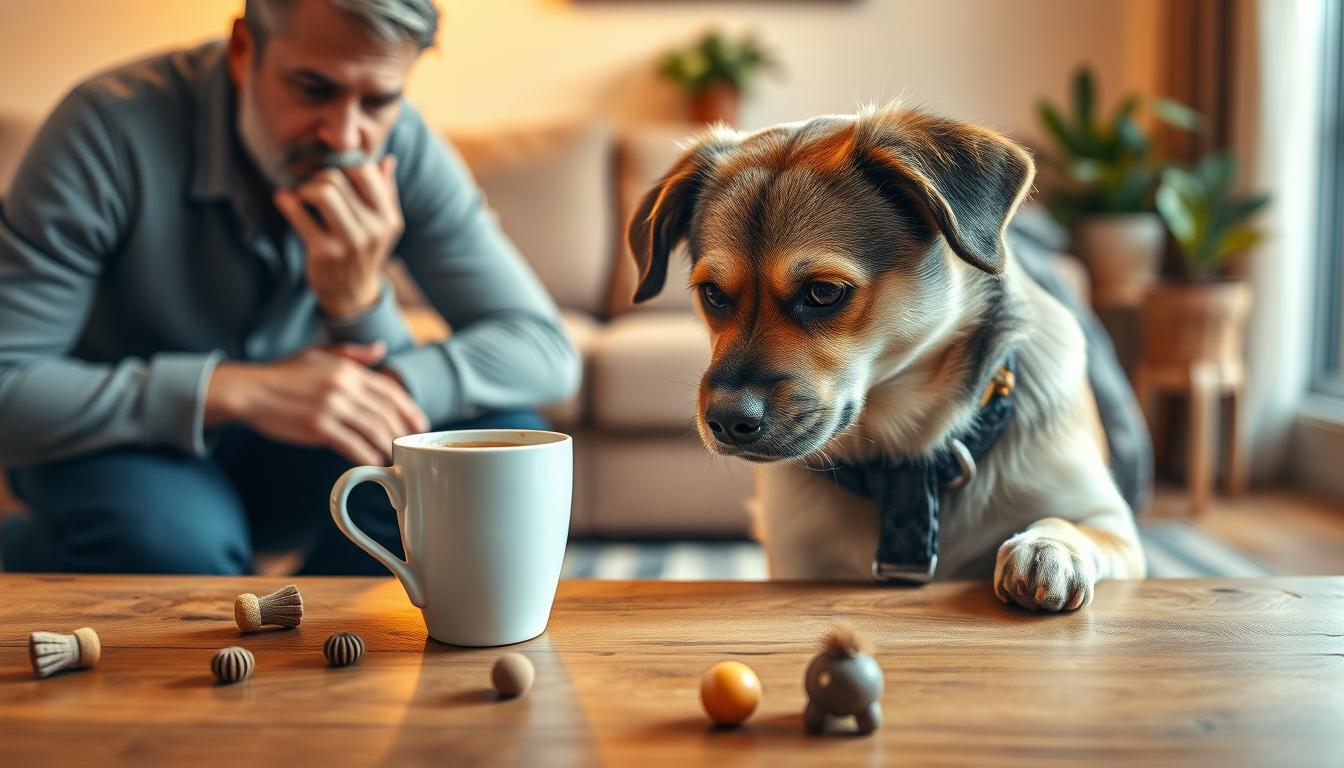
is coffee bad for dogs
The short answer is clear: caffeine can harm a pet and, in high doses, prove fatal. Small licks from a mug often do not cause poisoning, but risk varies with body weight and how much a pup ingests.
Grounds and whole beans pose a higher threat because they hold concentrated caffeine. A spilled cup is not the only hazard; trash, compost, and countertop crumbs matter during busy mornings in U.S. homes.
Major systems affected include the stomach, the nervous system, and the heart. Symptoms can escalate fast, so watching for vomiting, restlessness, tremors, racing pulse, or collapse is vital.
This guide will help you judge risk using pup size, amount taken, and product type. Quick action improves outcomes: call your veterinarian or a poison helpline for immediate, accurate steps.
Is coffee bad for dogs
Caffeine hits canine bodies differently than ours, and that difference matters fast.
Why stimulant chemicals affect animals more than humans
Dogs metabolize caffeine slower and have more intense reactions to stimulants. A small sip can deliver much higher blood levels than the same amount would in an adult human.
That altered processing makes nervous system and heart responses stronger. Even small amounts may produce signs that point to toxicity.
Nervous system, heart, and blood pressure effects
Caffeine stimulates the nervous system and can cause restlessness, pacing, tremors, or seizures in severe cases. It also raises heart rate and can trigger irregular rhythms.
Elevated blood pressure and a racing pulse put strain on circulation and organs. With heavy exposure, kidneys and liver may also suffer stress from the toxin.
How risk shifts by size, weight, and health
Toxicity depends on dose, concentration, and the animal’s weight and size. A lick from a mug affects a small pup far more than a large breed.
Existing heart disease or metabolic issues lower the threshold for dangerous symptoms. If you need guidance right away, a quick check of weight, amount, and product type helps assess risk. For more practical safety steps, see this quick reference on risks and care.
| Dog size | Likely effect from small sip | High-risk forms | Action |
|---|---|---|---|
| Small (under 20 lb) | Marked restlessness, tremors | Beans, grounds, espresso | Call vet/poison helpline |
| Medium (20–50 lb) | Agitation, elevated heart rate | Brewed, strong espresso | Monitor; seek advice |
| Large (50+ lb) | Milder signs for small amounts | Large volumes or grounds | Contact vet if symptoms appear |
Next: the key practical question is not just whether this can harm a pet, but how much is too much right now.
How much coffee is too much for a dog?
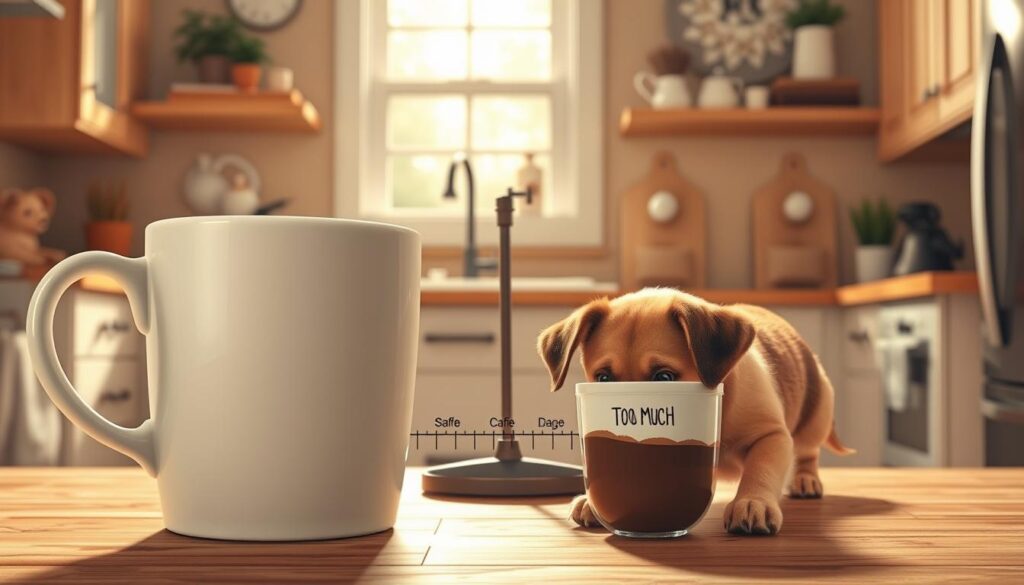
A quick lick often causes worry, yet the real risk hinges on amount and type. Small tastes may only prompt mild stomach upset in medium and large pets. Owners should still watch closely and note timing.
Why a lick differs from drinking a cup
A lick delivers far less caffeine than a full cup. Drinking an entire cup raises exposure quickly, which can harm small or senior animals and those with heart issues.
Concentration: espresso, brewed, instant
Espresso packs more caffeine per ounce, though some drinks get diluted. Brewed or instant have lower concentration but a larger cup increases total intake.
High-risk forms and decaf warning
Grounds and beans contain concentrated caffeine and can cause severe reactions if eaten. Decaf still holds trace caffeine and should not be treated as totally safe.
| Form | Caffeine level | Typical risk |
|---|---|---|
| Espresso | High per ounce | High if consumed in volume |
| Brewed/Instant | Moderate | Risk grows with cup size |
| Grounds / Beans | Very high | Highest; urgent if eaten |
| Decaf | Low but present | Monitor, not risk-free |
Coffee grounds, beans, and the trash: the most common danger scenarios
Open bags on counters and tossed grounds in the bin are common entry points for accidental ingestion. Owners often underestimate how fast a curious pup can reach a countertop or knock over a trash can.
Why unused grounds and beans can trigger severe caffeine poisoning
Whole beans and fresh grounds contain concentrated caffeine. A handful swallowed quickly can produce strong signs of caffeine poisoning before you notice.
Used grounds still pose risk, especially for small pups
Even brewed grounds retain enough caffeine to affect small animals. Pups and tiny breeds need extra caution; a sniff in the trash can lead to vomiting, tremors, or worse.
Other methylxanthine items to lock away
- Tea bags and loose tea leaves
- Chocolate and cocoa products
- Soda, energy drinks, and caffeine pills
Prevention is simple: secure beans, store grounds in sealed containers, and keep trash covered. Curiosity plus access is the usual chain that leads to poisoning. Signs can show up quickly, so read on to learn what to watch for next.
Signs of caffeine toxicity in dogs to watch for within minutes
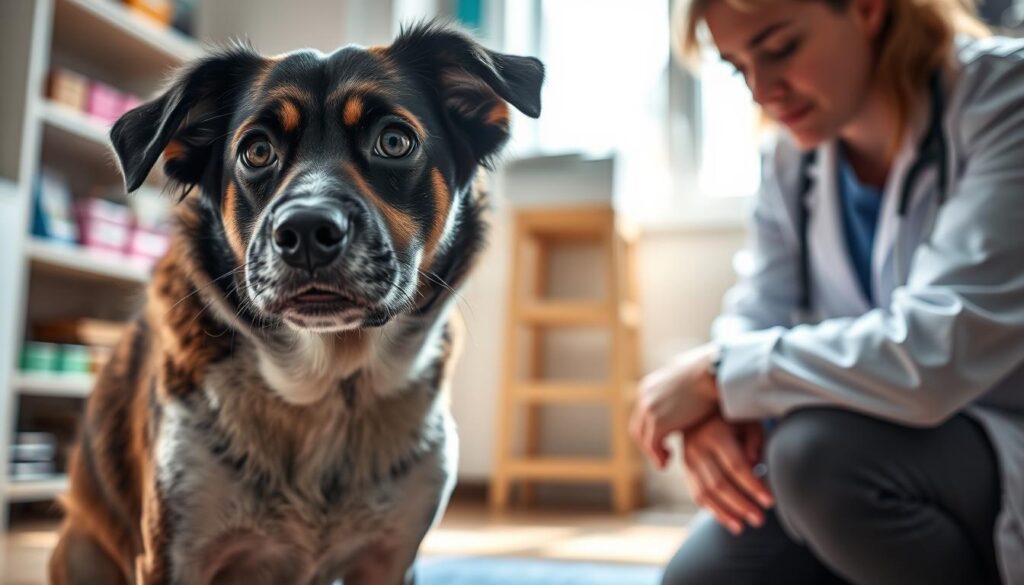
A dog may begin displaying clear distress in as little as 30 to 60 minutes after exposure. Early symptoms often show quickly and can persist for hours or longer depending on dose and care.
Typical onset and duration
Signs can appear in 30–60 minutes and often progress over 1–2 hours. Effects may last 12 hours to several days if the dose was large or treatment was delayed.
Gastrointestinal signs
Watch for vomiting, diarrhea, and loss of appetite. These are common early signals that the digestive system is reacting to a toxin.
Behavior and nervous system signs
Restlessness and hyperactivity can escalate to tremors or seizures as the nervous system becomes overstimulated. Keep pets calm and monitored.
Heart and circulation signs
Very fast pulse, irregular rhythms, and high blood pressure may develop. These changes strain the heart and other organs.
Severe red flags — seek emergency care now
- Collapse or continuous tremors
- Repeated seizures or difficulty breathing
- Extreme agitation, very pale or dark red gums
If you see severe signs, contact an emergency veterinarian right away rather than waiting. Quick care improves outcomes.
What to do if your dog drank coffee
If your pet sneaks a sip, start by staying calm and removing any remaining drink, grounds, or sweeteners from reach.
Call a veterinarian or poison helpline right away
Phone your regular veterinarian first. If they are closed, call an after-hours clinic or Pet Poison Helpline. Time matters with stimulant exposures.
What information helps the vet act fast
- Dog’s approximate weight and breed.
- Exact amount consumed — a few licks, a partial cup, or a full cup coffee.
- Type: brewed drink, espresso, grounds, or whole beans.
- When it happened and any immediate signs (vomiting, restlessness).
What not to do at home and how to monitor
Never induce vomiting without explicit veterinary instruction. Do not give home remedies that may interfere with care.
While arranging help, watch your pet for vomiting, agitation, tremors, or a fast pulse. Small dogs may show serious signs after small amounts; larger animals can still be at risk after bigger volumes. If signs worsen, seek emergency care immediately.
What to do if your dog ate coffee grounds or coffee beans
Grounds and beans carry concentrated stimulant that can overwhelm a small animal quickly. Do not wait for signs—symptoms may begin in minutes and can escalate to tremors or seizures.
Why grounds and beans are treated as an urgent poisoning risk
Whole beans and fresh grounds hold far more caffeine per bite than a brewed cup. A pet can eat a large dose before you notice, making caffeine poisoning more likely and more severe.
When an emergency animal hospital may be the safest option
Contact a vet or emergency clinic immediately for small dogs, puppies, or any pet showing neurologic or heart signs. Professionals may recommend a visit for decontamination, monitoring, and treatment.
Poison control contacts used in the United States
If you cannot reach your veterinarian, call a poison line right away. Pet Poison Helpline: 855-213-6680 or 855-764-7661. ASPCA Animal Poison Control Center: 888-426-4435. Fees may apply for consultation.
| Item | Caffeine level | Urgency | Typical action |
|---|---|---|---|
| Coffee grounds | Very high | Immediate | Call vet/poison line; possible clinic visit |
| Coffee beans | Very high | Immediate | Collect evidence; seek emergency care |
| Brewed liquid | Moderate | Urgent if large amount | Monitor; call vet |
Do not induce vomiting without professional instruction. Gather the bag label, estimated amount missing, and time of ingestion to help calculate exposure. A vet or poison specialist may direct you to an emergency clinic for decontamination and observation.
How veterinarians treat caffeine poisoning and what recovery can look like
When a pet arrives at a clinic after suspected caffeine exposure, the veterinarian focuses on stopping further uptake and protecting vital organs. Fast care lowers the chance of severe caffeine toxicity and improves outcomes.
Decontamination steps
A vet may induce vomiting if the exposure occurred within a few hours. This step helps remove unabsorbed material from the stomach and reduce absorption.
Activated charcoal often follows to bind remaining toxin and limit further uptake in the gut.
Supportive care
IV fluids are common. Fluids help flush caffeine from the blood, support the kidneys, and correct dehydration after vomiting.
Medications and monitoring
Clinicians may give drugs to control tremors, treat seizures, and stabilize heart rhythm and blood pressure. The choice depends on signs seen at exam.
A vet will monitor heart rate, temperature, neurologic status, and blood values. Multiple body systems can be affected, so observation matters.
| Treatment | Purpose | Typical timing |
|---|---|---|
| Induce vomiting | Remove unabsorbed caffeine | Within a few hours of ingestion |
| Activated charcoal | Reduce gastrointestinal absorption | At presentation after vomiting control |
| IV fluids | Flush bloodstream; protect kidneys | Started on arrival; continued hours to days |
| Medications (anti-seizure, antiarrhythmic) | Control seizures and stabilize heart | As needed based on signs |
Mild cases may be observed for several hours and go home the same day. Severe caffeine poisoning can require hospitalization for multiple days. Prompt veterinary care in an emergency greatly improves the chance of full recovery.
Keeping your dog safe around coffee every morning
Protecting curious pups during the morning routine takes small, consistent steps.
Keep cups, pots, and to-go mugs out of reach and never leave a hot drink unattended where a pet can lick a spill. Store grounds and beans in sealed containers and avoid leaving bags on low shelves.
Use a covered trash can and secure used grounds, filters, and tea bags right away. Remember chocolate, flavored syrups, and xylitol-containing creamers raise the danger level.
Remind family and guests, keep cleanup quick, and teach a firm “leave it” to curb countertop or trash scavenging. If your dog drank a meaningful amount, watch for vomiting or other signs and call a veterinarian promptly. Learn more at can dogs drink coffee?